


At Mays Cancer Center at UT Health San Antonio, we are revolutionizing cancer care through breakthrough research, cutting-edge treatments and a deep commitment to saving lives. Our work doesn’t stop in the lab—we bring discoveries to the patient’s bedside, ensuring the latest advancements in cancer care are accessible to those who need them most. With a multidisciplinary team of experts, we provide best-in-class therapies, giving patients and their families hope, healing and life-changing support every step of the way.
As the only National Cancer Institute (NCI)-designated Cancer Center in South Texas, the Mays Cancer Center serves a vast 38-county region with over 5 million residents. Our team of more than 300 cancer researchers and clinicians is dedicated to transforming the way cancer is diagnosed, treated and prevented—not just in San Antonio and South Texas, but worldwide.
Our 175+ active clinical trials offer patients groundbreaking new treatment options.
Pioneering Pediatric Cancer Research
The Greehey Children’s Cancer Research Institute at UT Health San Antonio is one of only two institutes in the U.S. exclusively dedicated to pediatric cancer research. Home to more than a dozen laboratories, the institute is at the forefront of cancer genomics, DNA repair, RNA biology and drug development—all with the goal of creating safer, more effective and less toxic treatments for childhood cancers.
At UT Health San Antonio, we are more than a cancer center—we are a beacon of hope, a hub of innovation and a leader in the fight against cancer.
Join us in the fight. Together, we are making a difference!
Only National Cancer Institute-designated cancer center in South Texas
300+ cancer researchers and clinicians
World-renowned Breast Cancer Symposium
In The News
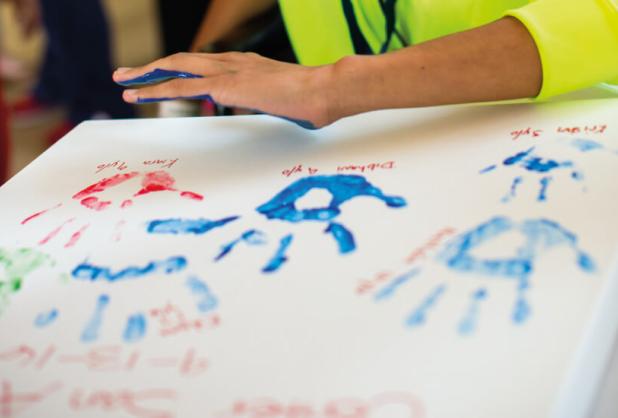
Children’s stories bring purpose to Hyundai’s Hope on Wheels investment in pediatric cancer research
Two young cancer survivors shared their stories as Hyundai Hope on Wheels awarded $500,000 to support pediatric cancer treatment and survivorship research at UT Health San Antonio.

By Panneerdoss Subbarayalu, PhD This article was first published in the September 2026 issue of the Bexar County Medical Society’s San Antonio Medicine magazine. Osteosarcoma is an aggressive cancer that grows quickly, spreads early to the lungs, and has a remarkable ability to resist treatment. It is the most common primary bone cancer in children […]
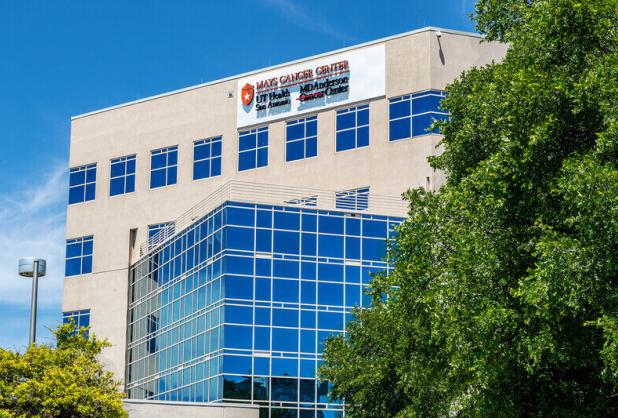
UT Health San Antonio, the academic health center and health system of The University of Texas at San Antonio (UT San Antonio), has named nationally recognized blood cancer and cellular therapy expert Georg Aue, MD, PhD, MBA, the director of the Stem Cell Transplant and Cellular Therapy Program at the Mays Cancer Center, the only National […]